Comprehending the Relevance of Home Ventilation for a Healthier Living Environment
Home ventilation plays an important function in maintaining a healthy and balanced living environment. It facilitates the exchange of outside and indoor air, which is very important for improving air top quality. Without appropriate air flow, homes can become breeding grounds for contaminants and irritants. The effects of inadequate air flow can be substantial. This brings up the questions of just how house owners can properly carry out air flow approaches to protect their health and wellness and well-being. Understanding these approaches is necessary.
The Fundamentals of Home Ventilation
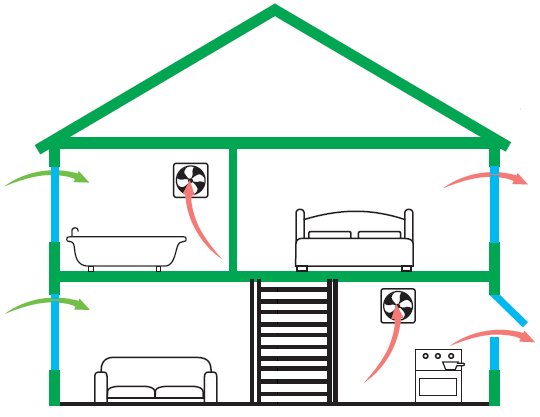
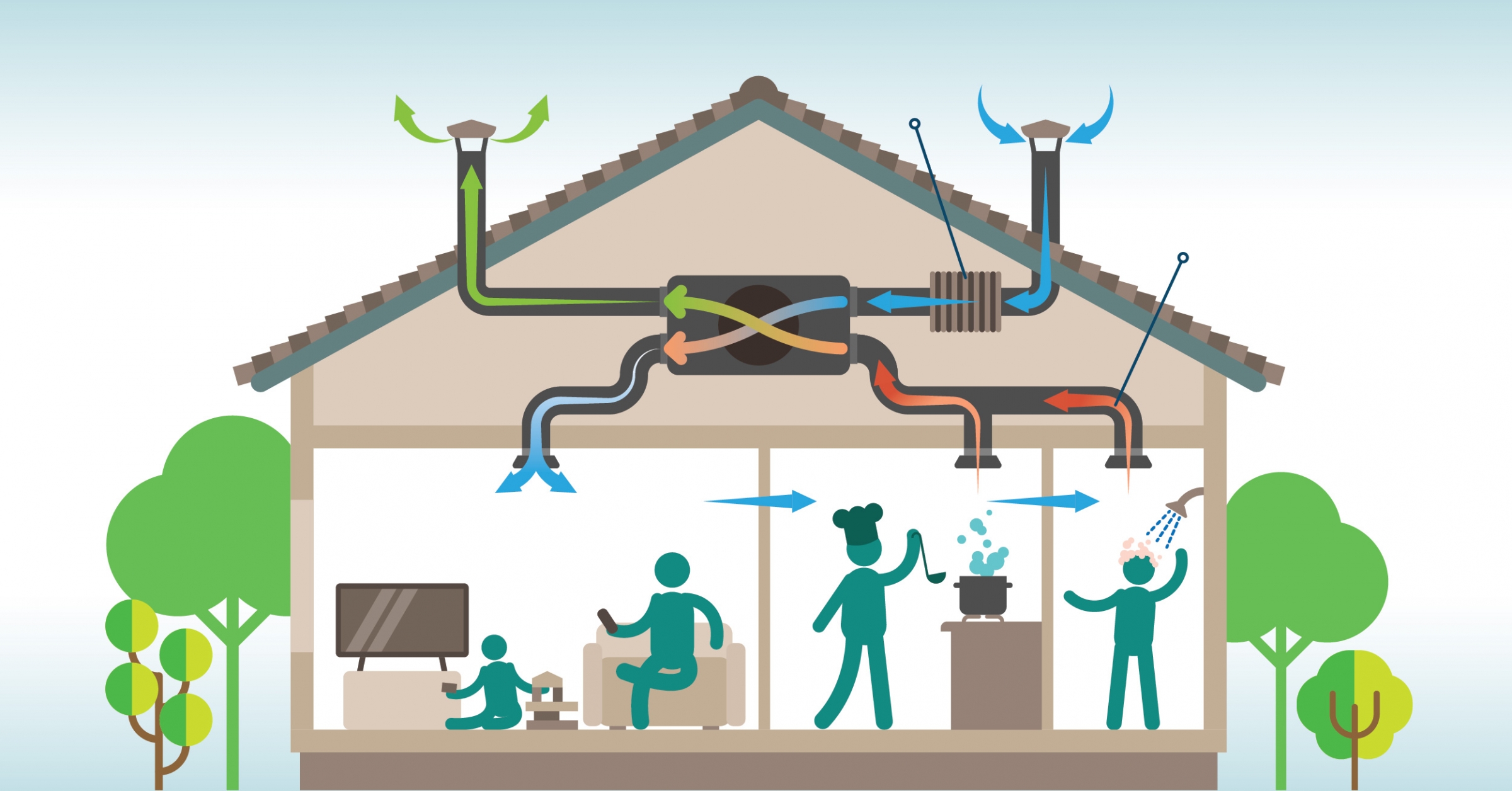
Home air flow acts as a necessary component of indoor air high quality and convenience. It includes the procedure of trading stagnant interior air with fresh outside air, therefore lowering moisture and regulating temperature. Proper ventilation systems can consist of all-natural methods, such as open home windows and vents, in addition to mechanical systems, such as exhaust followers and air exchangers. Reliable home ventilation aids protect against problems like indoor mold development and the accumulation of damaging bits. It likewise enhances overall energy efficiency, as well-ventilated rooms can maintain comfy temperatures with much less reliance on home heating and cooling down systems. Recognizing the basics of home ventilation is crucial for property owners seeking to create a much healthier living setting for themselves and their households.
Typical Resources of Indoor Air Contamination

Although several might not understand it, interior air pollution can originate from numerous sources within a household. Usual contributors include volatile natural compounds (VOCs) released from paints, solvents, and cleansing products. House devices, such as gas ovens and fireplaces, can release damaging gases like carbon monoxide and nitrogen dioxide. In addition, mold and mildew and mold thrive in damp areas, releasing spores that influence air quality. Animal dander, dirt termites, and plant pollen can build up inside, more worsening air pollution degrees. Smoking inside generates poisonous chemicals that remain in the air. Finally, constructing materials, including asbestos and formaldehyde, can off-gas harmful materials. Acknowledging these resources is necessary for maintaining a healthier interior atmosphere and promoting reliable air flow approaches.
Health And Wellness Impacts of Poor Air Flow
Interior air pollution can have considerable health effects, particularly when air flow is insufficient. Poor air flow can bring about the buildup of hazardous contaminants, such as unstable organic compounds, mold and mildew, and particle issue. This accumulation might lead to breathing issues, including asthma, allergies, and chronic obstructive lung disease. Individuals might experience symptoms like frustrations, exhaustion, and inflammation of the eyes, nose, and throat. Susceptible populations, such as children and the elderly, are at greater danger for serious wellness impacts. Lasting exposure to inadequately aerated atmospheres can additionally add to a lot more major conditions, consisting of heart diseases. As a result, guaranteeing proper air flow is necessary for maintaining a healthy living atmosphere and minimizing the threat of wellness issues connected with indoor air contamination.
Effective Ventilation Strategies for Your Home
Proper air flow is crucial for keeping a healthy and balanced indoor atmosphere, and implementing efficient methods can greatly improve air top quality. Homeowners can begin by making certain that exhaust fans are installed in bathrooms and cooking areas to remove excess moisture and odors. Opening up windows routinely allows fresh air to distribute, specifically throughout moderate weather condition. In addition, utilizing air cleansers with HEPA filters can help capture airborne pollutants. For homes with heating and cooling systems, preserving HVAC systems learn this here now and changing filters frequently is vital for peak efficiency. Integrating all-natural air flow methods, such as cross-ventilation, can likewise enhance air movement. Ultimately, securing any type of leaks in windows and doors prevents undesirable drafts, which can disrupt controlled air movement, ultimately bring about improved indoor air quality and comfort.
Maintaining Optimum Air Top Quality Year-Round
To maintain suitable air high quality year-round, house owners should embrace a proactive strategy to handling their indoor atmosphere. Routinely keeping track of interior air top quality is essential; this consists of monitoring for toxins such as dirt, mold and mildew, and unstable natural compounds (VOCs) Implementing efficient ventilation systems, such as exhaust fans and air cleansers, can substantially decrease air-borne contaminants. In addition, regular maintenance of heating and cooling systems assurances peak efficiency and air circulation. Property owners ought to additionally consider moisture levels, as extreme wetness can lead to mold and mildew growth. Seasonal adjustments might require changes in ventilation strategies to suit differing outside air top quality. By prioritizing these methods, property owners can develop a healthier home, promoting general well-being for all owners throughout the year.
Frequently Asked Concerns
How Can I Tell if My Home Requirements Much Better Ventilation?
To determine if a home requires much better ventilation, one need to observe indicators such as relentless humidity, mold and mildew development, stuffy smells, condensation on home windows, or enhanced allergy signs and symptoms, indicating inadequate air flow and possibly inadequate interior air high quality.
What Are the Indicators of Poor Indoor Air High Quality?

Can Houseplants Improve Indoor Air Quality Successfully?
The efficiency of houseplants in enhancing indoor air high quality is disputed. While some studies recommend they can absorb contaminants and create oxygen, their overall influence may be minimal contrasted to correct ventilation and air purification systems.
How Usually Should I Modification My Air Filters?
The frequency of air filter changes normally relies on usage and filter type. Normally, it is advised to change filters every three months, though families with allergies or pets might need even more regular adjustments for excellent performance.
Are There Any Kind Of Certain Ventilation Solutions for Allergy Sufferers?
Numerous air flow systems, such as HEPA-filtered systems, properly minimize irritants airborne. Home Ventilation Melbourne. These systems catch dust, pollen, and pet dog dander, providing allergic reaction patients with a cleaner, healthier interior setting while managing air top quality properly
It promotes the exchange article of interior and exterior air, which is important for improving air top quality. Home air flow serves as a crucial component of indoor air high quality and comfort. It involves the procedure of trading stale indoor air with fresh exterior air, thus decreasing humidity and controlling temperature. Interior air contamination can have significant wellness effects, especially when air flow is inadequate. Appropriate ventilation is necessary for keeping a healthy and balanced indoor environment, and executing effective techniques can considerably boost air quality.
Comments on “Home Ventilation Melbourne: Essential Tips Every Homeowner Should Know”